
Have you wondered whether traditional cable limits your entertainment choices? In 2026, many U.S. households are leaving expensive bundles for flexible digital options. Learning what is iptv? helps you control your home media.
IPTV delivers television through your internet connection, not satellite or fiber cables. It offers live channels, on-demand movies, and time-shifted viewing on almost any device. Modern viewers want the freedom to watch what they choose, whenever they choose.
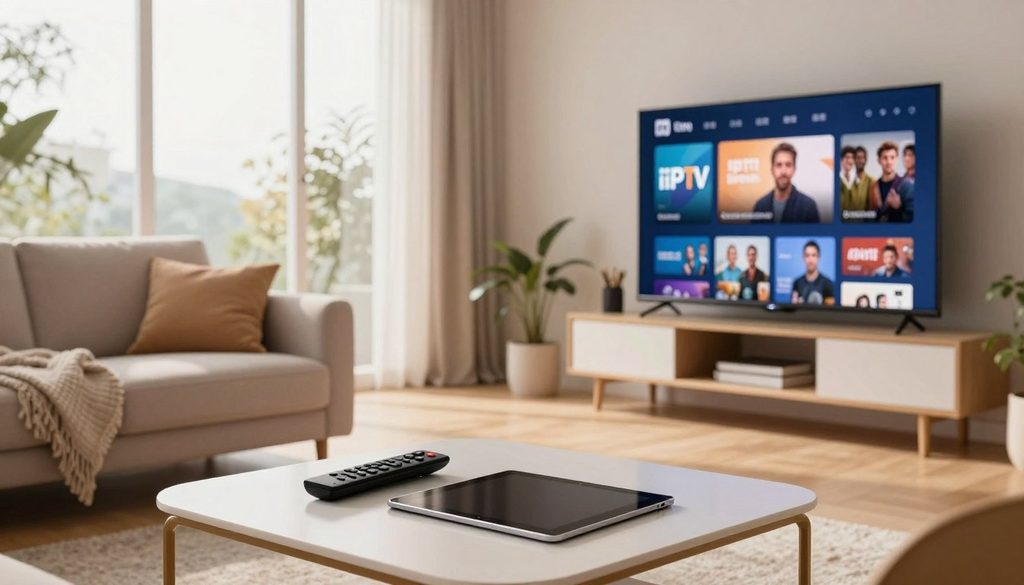
IPTV
This guide explains how IPTV works, the best available services, and the hardware you need. It also covers connection quality, security best practices, and the current legal landscape for users. By the end, you can explore the world of iptv with greater confidence.
Key Takeaways
- It uses internet protocols to stream video content directly to your devices.
- Users gain access to live broadcasts and on-demand libraries without traditional cable boxes.
- Flexibility remains the primary benefit for modern American households.
- Proper setup requires a stable high-speed internet connection for the best results.
- Understanding legal and security considerations is vital for a safe viewing experience.
What Is IPTV?
IPTV uses your home internet connection to send television content to your screen. Rather than physical cables or satellite dishes, it sends data through Internet Protocol (IP) networks. This approach creates a more interactive, personal viewing experience than older broadcast systems.
How IPTV Delivers Television Over the Internet
IPTV changes video signals into digital data that travels across your broadband network. When you choose a channel or show, your device requests it from the provider’s server. The server streams the content to your device, providing high-quality video without traditional broadcast equipment.
IPTV, Internet Television, and Traditional Digital TV
Although people use these terms alike, Internet television means web-based content, while IPTV is a managed service. Telecommunications companies often provide IPTV. Traditional digital tv, however, usually uses terrestrial, cable, or satellite signals.
- Traditional Digital TV: Uses dedicated broadcast frequencies or physical lines.
- Internet Television: Broadly encompasses any video content accessed via an internet connection.
- IPTV: A managed, private network service that offers a more stable and controlled viewing environment.
Live TV Streaming, Video on Demand, and Time-Shifted Programming
Modern viewers in the United States expect flexibility, and IPTV offers three main formats. Live TV streaming lets you watch broadcasts in real time, like standard television. Video on Demand (VOD) offers content you can start, pause, or rewind anytime.
Also, time-shifted programming lets users watch missed shows later. This feature benefits modern digital tv services by removing strict schedules. You no longer need to be home at a set time for your favorite programs.
How IPTV Differs From Cable, Satellite, and Standard OTT Platforms
IPTV differs from cable and satellite because it needs no dedicated coaxial cable or dish. Cable and satellite send signals to all subscribers at once, while IPTV sends content when requested. This on-demand architecture manages network bandwidth more efficiently.
It also differs from standard Over-the-Top (OTT) platforms like Netflix or Hulu. OTT services use the public internet without a managed network, which may cause buffering during busy hours. IPTV often uses a private, optimized network for a more steady and reliable internet television experience.
How IPTV Works From Provider to Screen
Every clear image depends on servers and protocols working together behind your screen. This system turns raw data into live tv streaming and video on demand content viewers enjoy each day.
The Role of Internet Protocol and Streaming Servers
This technology uses Internet Protocol (IP) to divide video data into packets. The packets travel across global networks from a central streaming server to your device. Efficiency matters most, so data arrives in the right order for smooth playback.
Linear Channels Versus Video-on-Demand Libraries
Viewing usually falls into two categories. Linear channels work like traditional broadcast television, sending a constant data stream in real time. This creates live tv streaming.
In contrast, video on demand lets users choose content from a library whenever they want. Unlike live broadcasts, these files stay on servers until a user requests them. This flexibility makes video on demand popular with modern households.
Bandwidth, Internet Speed, and Network Stability
A stable internet connection supports high-quality viewing. With too little bandwidth, packets cannot arrive quickly enough for smooth video. Network stability also matters, because jitter or packet loss can interrupt the stream.
Recommended Speeds for HD, Full HD, and 4K Streaming
For the best performance, users should match their internet plan to their chosen resolution. The following table shows minimum recommended download speeds for a consistent experience.
| Resolution | Minimum Speed | Recommended Speed |
| Standard Definition (SD) | 3 Mbps | 5 Mbps |
| High Definition (HD) | 5 Mbps | 10 Mbps |
| Full HD (1080p) | 8 Mbps | 15 Mbps |
| Ultra HD (4K) | 25 Mbps | 50 Mbps |
Why Buffering, Lag, and Picture Quality Problems Occur
Buffering starts when a device runs out of data to display. It pauses while waiting for more packets, often because of network congestion or an unstable Wi-Fi signal. Poor picture quality often means the system lowered resolution to prevent more interruptions.
IPTV Apps, Playlists, Electronic Program Guides, and User Accounts
The final stage uses a software interface on your device. Users typically use an application that organizes content with playlists and an Electronic Program Guide (EPG). These tools help users navigate hundreds of channels or browse a large video on demand catalog.
Secure user accounts manage subscriptions and preferences, keeping settings consistent across devices. Combined with reliable live tv streaming infrastructure, these tools create a modern television experience that rivals traditional cable.
IPTV Content, Services, and Legal Considerations in the United States
The U.S. digital television market offers many choices, but services do not follow the same rules. Many users confuse standard streaming apps with a dedicated ott platform, although their delivery systems and licenses can differ greatly.
What Legitimate IPTV Services Typically Offer
Legitimate providers focus on stable service and legal compliance for a smooth viewing experience. They often provide high-definition streams, electronic program guides, and dependable cloud-based recording.
Users benefit from consistent uptime and professional customer support. Unlike experimental setups, these platforms invest in servers to reduce buffering during high-traffic events.
Licensed Online TV Channels and Sports Programming
Authorized services secure legal agreements to broadcast online tv channels and major sporting events. These agreements ensure content creators and networks receive proper payment for their work.
“The future of television lies in the ability to provide high-quality, licensed content that respects the rights of creators while meeting the demands of modern viewers.”
Industry Analyst
By choosing licensed providers, viewers gain access to a vast entertainment library. It includes local news, national networks, and exclusive sports packages often unavailable through unverified sources.
Subscription IPTV Services Compared With Unverified Free IPTV Sources
The main difference between subscription services and unverified sources is accountability. Subscription services operate as a legitimate ott platform, with clear terms of service and legal consumer protection.
| Feature | Licensed Service | Unverified Source |
| Content Licensing | Fully Authorized | Often Illegal |
| Service Reliability | High/Stable | Unpredictable |
| Data Security | Encrypted/Private | High Risk |
What a Free IPTV Trial Should Clearly Disclose
If a service offers a trial, it should explain its business model clearly. A legitimate trial should disclose the following information:
- The duration of the trial period.
- Any automatic renewal policies after the trial ends.
- The specific online tv channels included in the preview.
Warning Signs of Unlicensed IPTV Services
Consumers should watch for services that show suspicious behavior. Red flags include cryptocurrency payment requests, no physical business address, and websites without clear legal disclaimers.
Always exercise caution when a service promises “everything for free.” These platforms often lack the infrastructure needed for secure, consistent viewing.
Privacy, Payments, Advertising, and Account Security
Protecting personal data is vital when choosing any ott platform. Legitimate providers use secure payment gateways and strict privacy policies to protect user information from third-party access.
These services also manage advertising without compromising user security. Prioritizing these factors helps keep your access to online tv channels enjoyable and safe for your entire household.
IPTV Devices and Beginner Setup Options
Modern home tv entertainment uses hardware that connects the internet to your screen. Choose the right device for steady, enjoyable viewing. Simple interfaces and advanced controls suit different users.
Smart TVs With Built-In IPTV and Streaming Apps
Many modern Smart TVs use operating systems that support direct app downloads. Built-in app stores often include official provider apps, so no extra hardware is needed. Convenience is the main benefit because one device handles viewing and remote control.
Streaming Devices for IPTV
Dedicated streaming hardware often performs better than built-in TV software. These devices focus on media playback and usually receive updates more often.
Amazon Fire TV Stick and Fire TV Devices
The Amazon Fire TV ecosystem is popular because it costs less and remains easy to use. These sticks connect to an HDMI port and support many streaming applications.
Roku, Apple TV, and Google TV Devices
Roku, Apple TV, and Google TV offer different interfaces for different preferences. Roku focuses on simplicity, while Apple TV delivers a premium, high-performance experience. Google TV supports content discovery by combining service recommendations in one dashboard.
IPTV Encoder Boxes and Their Actual Purpose
Advanced users may choose hardware encoders to manage signal distribution. The best iptv encoder box 2026: improve streaming quality & reduce lag by processing data locally. However, it cannot solve every connection problem.
What an Encoder Box Can Improve in a Streaming Setup
An encoder box can convert or transcode signals into formats that suit your display hardware. This may create smoother playback and better audio-video synchronization in complex home networks.
Why an Encoder Box Cannot Fix Slow Internet or an Unreliable Provider
Hardware cannot bypass network limits. Slow internet or unstable provider servers will still cause buffering. Reliability starts with your internet service provider and the stream source.
Basic IPTV Setup Process
Setting up your service usually takes a few simple steps. Most providers offer clear instructions to help you begin quickly.
Installing a Provider’s Official App
Download the provider’s official application from your device’s app store for the most reliable access. This provides the latest features and security updates from the source.
Connecting a Compatible Playlist or Electronic Program Guide
Third-party players may require a playlist URL or an Electronic Program Guide (EPG) link. These files show your device where to find channels and display schedule information.
Testing Playback, Audio, Subtitles, and Parental Controls
After connecting, check that everything works as expected. Test audio sync and different subtitle tracks. Make sure parental controls work if you need to restrict specific content.
| Device Type | Ease of Use | Performance | Best For |
| Smart TV | High | Moderate | Casual Viewers |
| Fire TV Stick | High | High | Budget Users |
| Apple TV | Medium | Excellent | Premium Experience |
| Google TV | High | High | Content Discovery |
How to Choose and Evaluate an IPTV Service
Choosing a digital television service requires a clear plan for comparing quality and value. Before subscribing, weigh its technical features and costs against your needs.
Channel Selection, Video-on-Demand Content, and Local Availability
A quality provider offers many channels, including news, sports, and entertainment. Check that the channel lineup matches your viewing habits.
A strong Video-on-Demand (VOD) library lets you watch movies and series when convenient. Also check whether the service includes local channels, which international packages often lack.
Streaming Quality, Reliability, and Device Compatibility
Reliable service supports a positive viewing experience. High-definition or 4K video with little buffering can signal stable servers.
Make sure the service works with your current hardware. It should offer an easy interface on Smart TVs, streaming sticks, and mobile devices.
Pricing, Contracts, Refund Policies, and Free IPTV Trials
Clear pricing shows that a provider can be trusted. Avoid services with hidden fees or long contracts without a clear cancellation option.
Many providers offer a free iptv trial to show their service quality. You can test stream stability and the content library before paying.
How to Assess Claims About a Free IPTV Trial From ChromaIPTV
When you assess a free iptv trial chromaiptv, seek clear details about trial length and content limits. A legitimate trial should not request sensitive payment details upfront unless it supports a standard subscription transition.
“The true value of a streaming service is found in the balance between content variety and the reliability of the delivery network.” — Industry Analyst
What to Check in a ChromaIPTV Review for 2026
A reliable review for 2026 should cover current uptime data and user feedback about app performance. Check how the service handles busy periods, such as major sporting events.
Customer Support, App Usability, and Account Management
Strong customer support matters when technical problems occur. Check for contact options such as live chat or email to solve account issues quickly.
The interface should feel clear and easy to use. A good app helps you manage favorites, set live-show reminders, and change account settings.
Security and Legality Checks Before Signing Up
Security should always matter when choosing a service. Favor providers with encrypted payment gateways and clear privacy policies for user data.
Confirm that the offered content is legal. Legitimate services have licenses to broadcast their channels and movies.
Comparing IPTV With Other Streaming Service Options
Compare IPTV with traditional cable and standard OTT platforms to understand its value. The table below shows key differences in service delivery.
| Feature | IPTV | Cable TV | Standard OTT |
| Delivery Method | Internet Protocol | Coaxial Cable | Public Internet |
| Flexibility | High | Low | Medium |
| Cost Structure | Subscription | Contract-based | Tiered Plans |
Careful evaluation helps you make an informed choice and improve your home entertainment setup. Research your options to get the best performance for your investment.
Conclusion
Modern television uses flexible internet delivery models. Viewers can watch live broadcasts and on-demand libraries through one streaming service. This shift changes how households use media across many devices.
Choosing the right provider requires research into licensing and network stability. In the United States, users should value privacy and reliable customer support. A quality streaming service offers varied content and secure account management.
Potential subscribers should examine every offer carefully. A detailed chromaiptv review 2026 can explain a provider’s performance and legal compliance. Clear trial periods let people test these claims before choosing long-term plans.
Verifiable information remains the best tool for consumers. Facts support better viewing while protecting personal data. Smart choices create a smooth move into digital television.
FAQ
What is IPTV?
IPTV, or Internet Protocol Television, delivers TV entertainment over a packet-switched network, including the internet. It replaces traditional terrestrial, satellite, or cable formats and offers online tv channels, video on demand (VOD), and time-shifted media. Unlike downloaded media, it streams source media continuously and, in 2026, serves viewers in the United States.
How does internet television differ from an OTT platform?
Both deliver content through the internet, but an ott platform like Netflix or Disney+ usually focuses on on-demand libraries. By contrast, internet television often mirrors digital tv, with live tv streaming and linear channel lineups like traditional broadcasting. IPTV uses a more structured network architecture for higher quality and lower latency during live events.
What internet speed is required to avoid buffering and lag?
To maintain stable tv entertainment, viewers should have at least 25 Mbps for HD content. For 4K Ultra HD, a consistent speed of at least 50 Mbps is recommended. Network stability prevents buffering, so viewers often prefer wired Ethernet over Wi-Fi for the best streaming service performance.
What is the best iptv encoder box 2026: improve streaming quality & reduce lag?
The best iptv encoder box 2026: improve streaming quality & reduce lag usually means professional-grade hardware for broadcasters. For home users, high-end receivers like the NVIDIA Shield TV Pro or specialized Formuler boxes serve as the main interface. These devices use advanced hardware decoding for high-bitrate streams, but they cannot fix a slow internet connection or unreliable provider.
What should a viewer look for in a free iptv trial chromaiptv?
When testing a free iptv trial chromaiptv, viewers should assess the provider’s transparency. A legitimate free iptv trial should state its duration, included online tv channels, and upfront credit card requirements. It should also realistically represent the full subscription’s uptime and channel stability.
How can someone verify the claims in a chromaiptv review 2026?
Readers assessing a chromaiptv review 2026 should seek details on server reliability, live tv streaming, and customer support. Authentic reviews compare established competitors and report app performance on the Amazon Fire TV Stick, Roku, or Apple TV.
Are there legal risks associated with unlicensed IPTV services?
Yes. While IPTV technology itself is legal, some providers distribute online tv channels and sports programming without proper licensing. Viewers in the United States should choose services holding distribution rights to avoid service interruptions, privacy risks, or legal complications. Legitimate services usually show transparent pricing and secure payments, while unlicensed sources may hide owner information or demand unusual payments.
Which devices are best for setting up a home IPTV system?
Most modern streaming service setups work with many hardware options. Popular choices include Smart TVs with built-in apps, the Amazon Fire TV Cube, Google TV, and specialized IPTV receivers. For the best experience, viewers often choose devices supporting Electronic Program Guides (EPG) and easy video on demand navigation.

