
Modern TV has moved away from old cable and satellite ways. Now, people watch shows on the internet. This is called your iptv, which sends high-definition videos to devices over the internet.

your iptv
To start using it, you need a device like a streaming box or a smart TV. It’s important to check the channels, how well it works, and if it’s safe. Reliability is key for families in the US.
Before you sign up for a long time, try it out first. A free iptv trial lets you see if it’s right for you. You can check if it’s legal, if the prices are clear, and if you get the channels you want. This way, you can avoid problems and make sure it fits your needs.
Key Takeaways
- Television content is now delivered via internet protocols rather than traditional cables.
- Successful setup depends on high-speed internet and compatible streaming hardware.
- Always prioritize providers that offer transparent billing and legal licensing.
- Testing a service through a trial period helps confirm stream stability.
- Channel variety and playback quality are essential metrics for US households.
What Your IPTV Means for Television Viewing in the United States
Learning about your IPTV is key to getting the most out of your entertainment setup. It’s different from old systems that need special hardware. Instead, it uses your internet to stream high-quality content to your devices.
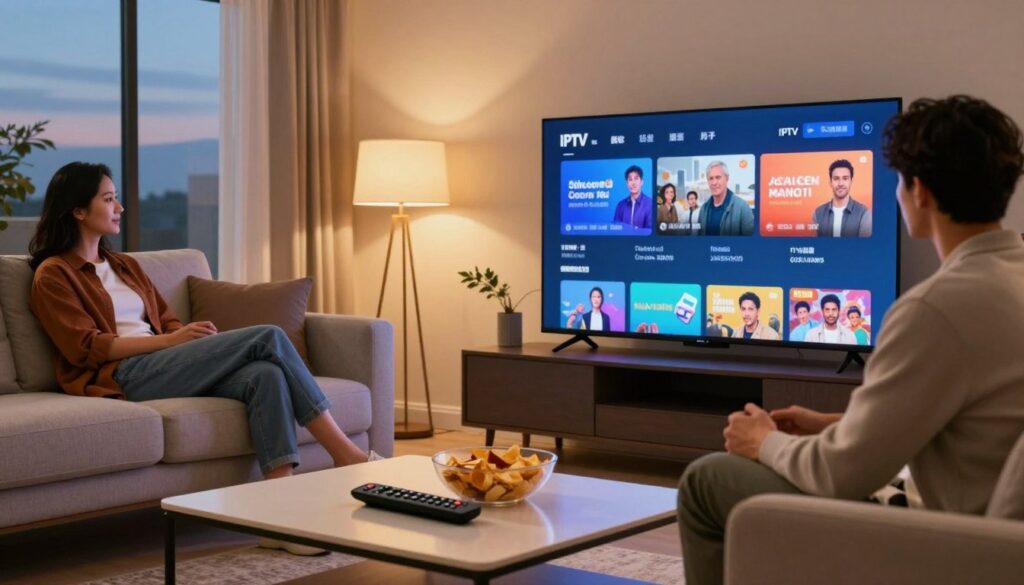
your iptv
How Internet Protocol Television Differs From Cable and Satellite
Old cable and satellite services use their own systems. Cable uses cables, and satellites send signals from space. But your IPTV sends data over the internet to your device.
“The transition from broadcast-based television to internet-delivered content represents the most significant shift in media consumption since the invention of the television itself.”
This change means a better viewing experience. The internet lets you watch without the old limits of broadcast networks.
Live Channels, On-Demand Content, and Time-Shifted Viewing
Today’s streaming services offer many ways to watch content. You can choose from live channels, on-demand shows, and time-shifted viewing.
- Live Channels: Real-time broadcasts that feel like old TV.
- On-Demand Content: Huge libraries for watching movies or shows anytime.
- Time-Shifted Viewing: Pause, rewind, or record live shows to watch later.
These options mean your IPTV fits your schedule, not the other way around.
Why IPTV Has Become Popular With US Households
Fast internet has made IPTV a favorite in many homes. It’s loved for its unparalleled flexibility on various devices. This includes phones, tablets, and smart TVs.
It also makes entertainment easier by using one internet connection. This cuts down on clutter and saves money. As more people ditch old contracts, your IPTV becomes even more popular.
How IPTV Services Operate Across US Networks
Every stream is backed by a complex system designed for smooth delivery. When you pick a channel, your device sends a request. This request travels quickly through the network to reach the content source.
This process is fast, making sure your viewing is smooth and without breaks.
From Provider Servers to the Viewer’s Streaming Device
The journey starts at the source, where video files are stored on big servers. These servers send data packets over the internet. Your streaming device then puts these packets together, showing you the video on your screen.
Efficient routing is key to make sure these packets arrive in the right order fast.
The Role of Internet Protocol and Content Delivery Networks
Providers use a content delivery network to manage data flow. They place servers in key locations across the US. This makes content closer to you, cutting down on delay.
Internet Protocol (IP) is the language that lets devices talk across different networks. Without a strong content delivery network, streaming HD video to many users at once would be hard. This tech keeps your stream stable, even when lots of people are watching.
Why Provider Infrastructure Affects Reliability and Speed
The quality of the IPTV provider infrastructure is key to your happiness. Even with fast home internet, bad servers can cause problems. Providers with top-notch hardware can handle more traffic and play content smoothly.
Licensed Content, Regional Restrictions, and Service Availability
Legal issues are also important. Providers must have the right to show licensed IPTV content legally in the US. These deals often limit where channels can be seen.
Regional blackouts, especially for live sports, are common. A good service checks your location to show the right feed. Getting licensed IPTV content through a trusted IPTV provider infrastructure means you get a legal, quality stream that follows all rules.
How to Set Up Your IPTV Service at Home
Setting up a new digital TV service at home is easy if you follow the right steps. Make sure to set up your hardware and software correctly. This ensures a seamless viewing experience for your whole family.
Choosing a Compatible IPTV Subscription and Application
The first step is to pick a service that fits your hardware. Check if your chosen IPTV application works with your device, like a smart TV or streaming box.
After checking compatibility, pick your subscription. Make sure the provider offers the features you want, like high-definition streaming or lots of on-demand content.
Connecting a Streaming Device to the Home Network
A good internet connection is key for your home entertainment. For the best results, use an Ethernet cable to connect your streaming device to your router.
If you can’t use a wired connection, find a spot with a strong Wi-Fi signal. Consistent bandwidth is crucial for smooth video streams without breaks.
Entering Account Credentials and Activating the Service
After installing your IPTV application, enter your account details. Your provider will give you these when you sign up.
Put in your username, password, and server URLs carefully. Once you do, the system will check your account and show your channel list. This completes your IPTV setup.
Testing Live Playback, On-Demand Content, and Electronic Program Guides
Before you start watching, test everything to make sure it works. Start by checking a few live channels for stability.
Then, check the on-demand section for quick loading of movies and shows. Finally, make sure the Electronic Program Guide (EPG) shows the right info. This guide is key for managing your iptv schedule.
Common Setup Mistakes That Prevent Successful Playback
Even with careful planning, you might run into small problems. One common mistake is typing in the wrong server address. This stops your device from connecting to the provider.
Another issue is using a weak or unstable Wi-Fi signal, causing buffering. Also, mixing up your provider account with your media player login can lead to frustrating authentication failures when trying to access your iptv content.
Devices That Work With IPTV in the US
Today, many devices can stream digital TV at home. The first step is to find the right IPTV compatible devices. Each device works differently, depending on the service and its operating system.
Amazon Fire TV Stick and Fire TV Cube
The Amazon ecosystem is popular for its easy-to-use interface and wide app support. A Fire TV IPTV setup makes it easy to find and watch high-definition streams. These devices are great because they let you install apps not found in the app store.
Roku, Apple TV, and Google TV Devices
Roku devices are known for their simple experience, but they might limit third-party apps. Make sure your provider has a dedicated channel or web player for Roku IPTV. Apple TV and Google TV are good for high-quality content and 4K streaming because of their strong processing.
Android TV Boxes, Smart TVs, and Mobile Devices
Android TV boxes and smart TV IPTV solutions are very flexible. They run on Android, making it easy to install different media players. Mobile devices let you watch content anywhere, as long as the app works well on touch screens.
Watching IPTV on Windows and macOS Computers
Computers are also good for watching IPTV. You can use dedicated apps or web browsers. This is great for managing playlists or recording shows on your computer.
Checking App Support Before Purchasing a Subscription
Always check if your device is supported before buying a subscription. Compatibility is not universal and depends on the provider’s software. Make sure your device works well with remote controls, supports the right screen resolution, and allows enough streams at once.
How to Evaluate an IPTV Channels List
A good channels list is about quality, not just quantity. Many people choose a provider based on how many channels they offer. But, they often find the content doesn’t match what they like to watch. To find the right US IPTV channels for your family, you need to check carefully.
US Broadcast Networks, Cable Channels, and Premium Networks
Most people want to watch major networks like ABC, CBS, NBC, and FOX. A good IPTV channels list should have these in HD. Also, make sure it includes popular cable and premium movie channels with new releases.
Sports Channels and Regional Sports Network Availability
Sports fans have a big challenge in choosing a service. While national sports networks are common, regional sports networks (RSNs) are often missing or limited by location. Always check if the provider covers the teams you want to watch.
News, Kids’ Programming, International, and Multilingual Content
A good service should have something for everyone. Look for a variety of 24-hour news channels. Also, make sure there’s a lot of kids’ shows and multilingual content if you need it.
Electronic Program Guides, Catch-Up TV, and Video-On-Demand Libraries
The usefulness of your service depends on its features. A good Electronic Program Guide (EPG) helps you find shows. Catch-Up TV lets you watch shows you missed. And a big Video-On-Demand (VOD) library means you can watch movies and series anytime.
Recognizing Missing Channels, Duplicate Listings, and Outdated Guides
Bad catalog management is a big warning sign. If you see a lot of duplicate channels or ones that don’t work, the service might not be well-kept. An outdated guide with wrong show times also shows the provider doesn’t care about details.
| Feature Category | Importance Level | Impact on Experience |
| Local Broadcasts | High | Essential for daily news and events |
| Regional Sports | Medium | Critical for local team coverage |
| VOD Library | Medium | Adds flexibility for binge-watching |
| EPG Accuracy | High | Prevents frustration during navigation |
Streaming Quality, Resolution, and Playback Performance
The look of your IPTV depends on how well data is sent to your screen. To get good IPTV streaming quality, you need a strong connection and the right hardware. When everything works together, you get a clear, movie-like picture at home.
What HD, Full HD, and 4K IPTV Streaming Require
HD needs at least 5 Mbps for a good stream. Full HD (1080p) requires 8 to 10 Mbps for smooth video. For 4K IPTV, you need 25 Mbps or more to avoid quality issues.
Bitrate, Compression, and Picture Quality Differences
Bitrate is how much data is used per second, affecting image sharpness. High compression saves bandwidth but can cause image problems. Professional providers find the right balance to keep the picture clear without overloading your network.
How Buffering, Freezing, and Delayed Playback Develop
IPTV buffering happens when data can’t keep up with playback speed. This is often due to network congestion, especially in the evenings. If the provider’s system is too busy, you might see freezing or delays in live streams.
Matching Video Quality to the Television and Internet Connection
It’s important to match your stream settings to your TV and internet plan. Trying to stream 4K IPTV on a slow connection will cause IPTV buffering and annoyance. Here’s a table showing the bandwidth needs for different resolutions.
| Resolution | Minimum Speed | Data Usage (Per Hour) |
| 720p (HD) | 5 Mbps | ~1.5 GB |
| 1080p (Full HD) | 10 Mbps | ~3.0 GB |
| 2160p (4K) | 25 Mbps | ~7.0 GB |
Internet Requirements for Smooth IPTV Streaming
Your home internet connection is key for streaming. Without a strong connection, even top services can’t deliver clear video.
Recommended Download Speeds for One or More Streams
To watch high-definition content, you need at least 10 to 15 Mbps per stream. For 4K, aim for 25 Mbps per device to avoid buffering.
When many people stream at once, speeds add up fast. Calculate your total bandwidth by adding each device’s needs.
Wi-Fi Versus Ethernet for Streaming Stability
While Wi-Fi is convenient, IPTV Ethernet offers a more stable signal. It avoids the interference common in homes.
If you use IPTV Wi-Fi, place your router in an open area. Choose a 5GHz router for better performance than 2.4GHz.
Data Caps, Network Congestion, and Peak-Time Performance
Internet providers often have data caps. Streaming in high resolution uses a lot of data. Watch your usage to avoid slowdowns.
Network congestion happens in the evenings when many are online. This can lower your stream quality, even with a good plan.
“A chain is only as strong as its weakest link, and in the world of streaming, that link is almost always the stability of your local network.”
Using a VPN Without Creating Additional Speed Problems
Many use an IPTV VPN for privacy and to bypass restrictions. But, encryption can slow your connection if the server is far or busy.
Choose a server near you to avoid speed loss. Pick a provider with fast protocols like WireGuard.
Practical Network Checks Before Blaming the IPTV Provider
Before reaching out for help, do some basic checks. Make sure your connection is stable with these steps:
- Run a speed test on your device to check your bandwidth.
- Look for high latency or packet loss, which can freeze video.
- Restart your router and modem to fix temporary issues.
- Make sure no big downloads are happening in the background.
How to Assess a Free IPTV Trial Before Paying
Many users look for a free IPTV trial to check service quality before buying. This initial test is key to protect your budget for digital entertainment. By carefully evaluating a provider, you make sure it fits your viewing habits and tech needs.
What a Legitimate Free IPTV Trial Should Clearly Explain
A professional provider will always be open about their offer terms. You should get clear details on trial duration and included features. Reliable services also explain how to cancel before the trial ends to avoid charges.
If you find a free iptv trial chromaoptv or similar, check their privacy and support info. A good company will not hide their contact or terms in vague language. Look for a clear way to contact support if you have tech issues.
Testing the Channels List During the Trial Period
The channels list is key to your viewing experience. Spend time exploring different categories like sports, news, and entertainment. Make sure your favorite channels are available and working well.
Don’t just look at a static list on a website. Use the electronic program guide (EPG) to see if the schedule is up-to-date. Testing during peak hours will show if the provider can handle high traffic.
Comparing Trial Playback Quality With Promised Service Levels
Marketing might promise 4K or high-definition streaming, but it might not always deliver. Watch the picture quality and check for buffering or freezing. If the service can’t keep a steady bitrate, it might not work well on your network.
Check how the service works on different devices. A good service should work smoothly on smart TVs and mobile devices. If the quality changes a lot, it could mean the service has problems or is too busy.
Reviewing Billing Terms, Renewal Policies, and Cancellation Rules
Before paying, read the fine print about automatic renewals. Many services start charging you right after the trial ends. Make sure you know how to cancel easily, just like signing up.
Warning Signs of Unsafe Trials, Hidden Charges, and Unlicensed Content
It’s crucial to prioritize IPTV trial safety to protect your data and money. Be careful of providers that ask for payment info without explaining the billing. If a site doesn’t talk about licensing or uses shady download sources, stay away.
| Feature | Professional Service | Unsafe Provider |
| Billing Transparency | Clear terms provided | Hidden fees |
| Channels List | Accurate and updated | Broken links |
| Security | HTTPS encryption | Unsecured site |
| Support | Responsive help desk | No contact info |
Always trust your instincts when checking these services. If a deal seems too good or the provider pushes you to pay fast, it’s likely a bad sign. Choose providers that are open and offer a solid, well-documented trial experience.
Understanding Your IPTV ChromaIPTV and Similar Provider Claims
When you search for your iptv chromaiptv, you might find many similar results. It’s important to understand how different parts work together to show content on your screen.
Separating a Provider Name From an IPTV App or Player
It’s key to know the difference between who gives you shows and the app you use to watch them. An IPTV provider lets you access live channels and on-demand shows with a subscription.
An IPTV app or player is just a tool to show those streams. Many players are basic and don’t have content themselves. They only work when you put in your login details.
Checking Whether ChromaIPTV Publishes Verifiable Service Information
When looking at ChromaIPTV, check for signs of openness. A good IPTV provider verification shows contact info, a physical address, and clear service terms.
Good services have detailed privacy policies and licensing info on their sites. Without these, fixing problems or billing issues can be tough.
| Verification Criteria | Legitimate Provider | Unverified Service |
| Business Address | Clearly Listed | Hidden or Missing |
| Support Channels | Email/Live Chat | None Available |
| Payment Security | Encrypted Gateway | Unclear Methods |
| Service Terms | Publicly Accessible | Not Provided |
Evaluating the “Free IPTV Trial Chromaoptv” Search Phrase Carefully
Looking for a free iptv trial chromaoptv can lead to unexpected results. Search engines might show ads for services that aren’t what you’re looking for.
Why Brand Similarities and Misspellings Can Create Consumer Confusion
Brand similarities and misspellings can confuse people. A small name change might take you to a different, possibly unsafe, service.
Always check the official domain name before sharing personal or payment info. Staying vigilant helps ensure you’re dealing with the right service, not a fake one.
How to Choose the Right IPTV Service in the US
Finding the best IPTV service US homes need is a detailed task. The market has many options, so it’s key to know what you want. This way, your your iptv experience will be both stable and fun.
Comparing Channel Coverage With the Household’s Viewing Priorities
Start by checking the channels list to see if it has your favorite shows. It’s not just about how many channels there are. A free iptv trial can help you see if the channels you like are available and work well.
Reviewing Pricing, Simultaneous Streams, and Contract Terms
Look at the cost to see if it’s worth it. Some plans only let you stream on one device at a time. Also, make sure you understand the contract and how to cancel without surprises.
Assessing Device Compatibility and Customer Support
Make sure the service works with your devices, like smart TVs or streaming sticks. Good providers have easy-to-use apps or clear setup guides. Also, having responsive customer support is crucial for fixing problems fast.
Confirming Licensing, Privacy Practices, and Business Transparency
Good providers are open about how they use your data. When looking at services like your iptv chromaiptv, check their privacy policies and business info. This shows they’re trustworthy.
Using Independent Reviews Without Treating Every Claim as Fact
Reviews from other users can be helpful. But, be careful and look at many sources. Always check when the review was written and if the writer might be biased.
Privacy, Security, and Troubleshooting for IPTV Users
Keeping your digital safety is key for a smooth viewing experience. It’s not just about stopping unauthorized access. It’s also about keeping your personal data safe. By following best practices, you can enjoy your favorite shows without worrying about your digital safety.
Protecting Account Credentials and Payment Information
Start by making a strong, unique password for your streaming account. Never use the same password for different sites. This helps prevent unauthorized access to your sensitive info. Always use a reputable password manager to keep your passwords safe.
When making payments, choose services with secure payment gateways. Don’t share your credit card details with unverified providers. If you’re looking at your iptv chromaiptv, make sure the platform uses encrypted checkout to protect your banking info.
Keeping IPTV Applications and Streaming Devices Updated
Software updates are vital for IPTV privacy and performance. Developers release patches to fix vulnerabilities that hackers might use. Make sure your streaming app is always up to date.
Don’t forget to update your device firmware. These updates often include important security fixes. Regularly check your Fire Stick, Roku, or Android TV box for updates. Keeping your hardware current helps protect your entire streaming ecosystem from threats.
Diagnosing Login Errors, Missing Channels, and App Crashes
Start with simple steps when troubleshooting IPTV. If you can’t log in, check your internet connection and your password for mistakes. A quick restart of your device can often fix temporary issues or app crashes.
If channels are missing, try clearing the app cache or refreshing your playlist. These small changes often fix the problem without needing outside help. Consistency in your troubleshooting saves time and reduces frustration.
Knowing When to Contact the Provider or Replace the Service
If simple troubleshooting doesn’t work, contact your provider’s support team. Give them clear details about the problem. But if the provider is unhelpful or the service quality keeps getting worse, it might be time to switch to a better service.
Legal and Security Risks of Unverified IPTV Sources
Using unverified or “pirate” streaming sources is risky. These platforms often lack basic IPTV security and can expose your device to malware or data theft. They may also use deceptive billing or disappear without warning.
Unverified sources also often operate in legal gray areas. This means they might not have the right to stream certain content. Relying on these services can lead to your service being shut down without notice. Always choose legitimate, transparent providers for a stable and legally sound viewing experience.
Conclusion
Finding the right service for your home is more than just looking at channel counts or low prices. It’s about finding true value.
This IPTV guide shows how important it is to check if devices work well and if your network is stable. It’s crucial to choose providers that are clear about their billing and protect your privacy. This ensures a safe place to watch your favorite shows.
Being careful helps avoid common problems. By checking if services are licensed and testing how well they work, you can make better choices. This way, you control what you watch.
Setting up your IPTV right makes for a better viewing experience. Use these tips to create a streaming library that fits your needs and how you live at home.
Choosing reliable services means you can enjoy live TV without worries. Staying up-to-date is key to navigating the changing world of digital media in the United States.
FAQ
What is IPTV and how does it function for US households?
A: Internet Protocol Television (IPTV) sends TV content over the internet, not through traditional cables. To use your IPTV, you need a fast internet, a compatible device, and a subscription. Before paying, try a free IPTV trial to see if the channels and billing are right for you.
How does IPTV differ from traditional cable and satellite services?
IPTV uses the internet to stream TV, unlike cable and satellite. It offers live TV, lots of video-on-demand (VOD), and time-shifted viewing. This makes it popular in the US because it works on many devices and Smart TVs.
What role do Content Delivery Networks play in streaming reliability?
Content Delivery Networks (CDNs) help keep streams stable by placing data near viewers. This cuts down on delays and prevents buffering. But, you might still face blackouts or restrictions based on the provider’s licenses.
What are the essential steps to set up an IPTV service at home?
To set up your IPTV, pick a compatible app, connect a device like an Amazon Fire TV Stick to your network, and enter your account details. Make sure to test the Electronic Program Guide (EPG) and live streams. Common mistakes include using the wrong media player, weak Wi-Fi, or wrong server URLs.
Which devices are compatible with IPTV services in the US?
Many devices work with IPTV, like the Amazon Fire TV Cube, Roku, Apple TV, and Google TV. Also, Android TV boxes, Windows and macOS computers, and mobile devices can use these services. Check app support and device limits before subscribing.
How should a viewer evaluate a provider’s channels list?
Look at the channels list to see if it matches your viewing needs. Check for US broadcast networks, premium channels, and Regional Sports Networks. Avoid providers with too many duplicates or outdated guides.
What are the technical requirements for 4K and Full HD IPTV streaming?
For Full HD or 4K streaming, you need a high bitrate and low compression. This ensures sharp pictures and smooth motion. If your internet or the provider’s system is too busy, you might see buffering or freezing. Adjust video quality settings to match your TV and internet speed.
How much internet speed is required for a smooth IPTV experience?
For a single Full HD stream, you need at least 15-25 Mbps download speed. 4K content might need 50 Mbps or more. Use an Ethernet connection for better stability. A good VPN can protect your privacy without slowing down your IPTV.
What should be tested during a free IPTV trial?
During a free IPTV trial, check if live channels work well and if the channels list is complete. Also, review the billing terms, renewal policies, and how to cancel. Watch out for unexpected charges, pressure to pay, or unsafe app downloads.
How can consumers distinguish between providers like ChromaIPTV and media players?
Know the difference between an IPTV provider and a player. When looking for your IPTV ChromaIPTV or a free IPTV trial chromaoptv, check for real business info and clear privacy policies. Be cautious of misspellings and confusing brand names.
What factors are most important when choosing the right IPTV service?
Balance channel coverage, price, and device compatibility when choosing. Look for providers with clear licensing and good customer support. While independent reviews help, they’re not always right.
What security measures should IPTV users implement?
Keep your your IPTV account safe with strong passwords and secure payments. Update your streaming devices and apps regularly. Avoid unverified sources to avoid risks like data theft or service loss.

