
An IPTV private server can mean a provider-managed subscription or a server an operator runs themselves. The right choice depends on channels, devices, household needs, and clear terms.
A free IPTV trial may help someone assess the viewing experience, but its length and access can vary. The EPG is an electronic program guide that shows channel schedules and program information.
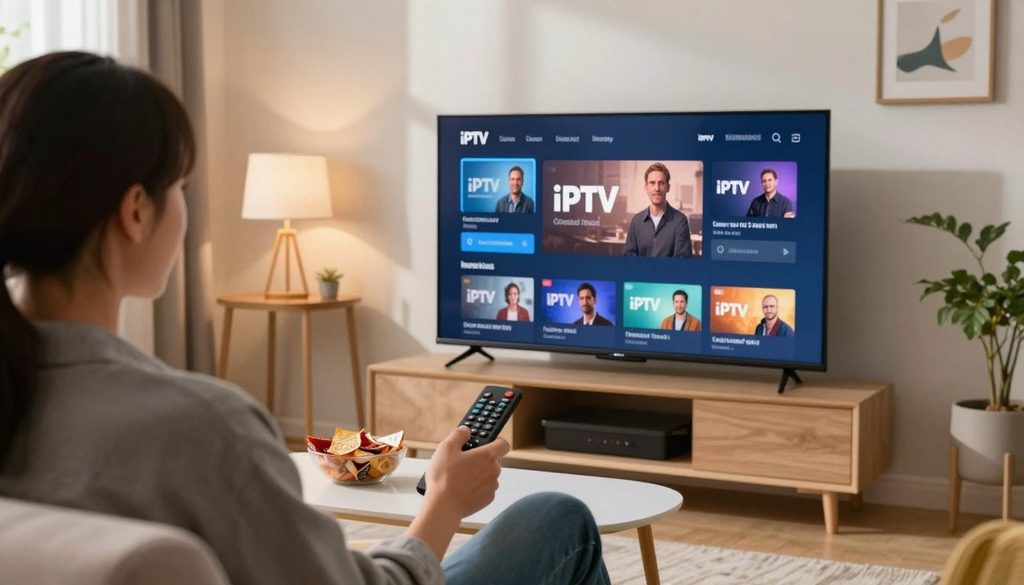
iptv private server
Before creating an account, a client should check the desired IPTV channels, on-demand movies, compatible IPTV apps, and household viewing needs. ChromaIPTV is one name to compare, but the title alone confirms no trial, price, channel lineup, or availability. Each detail needs confirmation with the provider, along with payment terms and the time allowed to test access.
Key Takeaways
- Confirm the channels and on-demand titles a household wants.
- Check that current devices can use the service and player.
- Ask the provider about trial access, price, and term.
- Review payment and renewal details before creating an account.
- Distinguish a managed subscription from an operator-run server.
Those arrangements differ in who manages the stream and how much work viewers must handle. Knowing which one is under consideration makes the technology easier to compare.
What Does a Private IPTV Setup Include?
A provider-managed service gives viewers access without requiring them to run streaming infrastructure. A self-hosted setup puts that work on the operator, so the control and effort differ.
“Private” describes several arrangements, not one standard service or level of control. A listing on a public marketplace may need more configuration, but listings do not all work alike.
“Private” can describe different arrangements, so buyers should identify who manages the stream and how access works.
| Setup type | Who manages it | How access is provided | Main tradeoff |
| Provider-managed private setup | Service provider | Account and login credentials | Less operator control |
| Public or reseller marketplace listing | Seller or reseller | Listing-specific access details | May need more setup |
| Self-hosted dedicated server | Subscriber or operator | Operator-configured access | Technical work and upkeep |
A marketplace solution can vary by seller, service, and access method. A reseller may supply login credentials, a guide, or setup steps, but buyers should not assume every listing includes the same support or experience.
Self-hosting takes more than renting a server. The operator must manage the system, maintain access, and handle service issues. A dedicated server is a physical machine reserved for one customer, not a requirement for every IPTV viewer.
Distributing paid channels, sports, or movies requires proper authorization. Unlicensed distribution of copyrighted programming can violate copyright law in the United States. The setup type does not grant content rights.
Once the operator’s role is clear, the next question is how the server receives and delivers a stream.
How Does an IPTV Private Server Work?
A live game begins as a feed, passes through processing and delivery, then appears on a viewer’s screen. The iptv private server setup handles several steps, but a subscriber need not manage the machine. A dedicated server is an operator-side choice, not a standard viewing requirement.
What happens between content intake and playback?
The operator first receives a live feed or video-on-demand content. The system encodes or transcodes it, which prepares the video for delivery and playback.
H.264 and H.265 are common encoding formats. The operator may store video and metadata, such as titles and schedule details, before packaging streams for delivery.
HLS, DASH, and RTMP are stream delivery protocols. Adaptive streaming can offer several bitrates, such as SD, HD, and 4K, so playback can adjust to network conditions and device limits.
Access control checks whether a client has permission to view a stream. The player then requests content over the network and displays it on the chosen screen.
What an IPTV streaming server online needs to deliver
Capacity depends on workload, video quality, and audience size. For operator planning, guidance can range from 8-32 CPU cores, with 32 GB RAM as a moderate-workload baseline.
Larger workloads may need 64 GB RAM or more. A 1 Gbps connection may suit local delivery, while global or high-resolution delivery may call for 10 Gbps or more.
These figures are planning guidance, not guaranteed requirements for every IPTV solution. A content delivery network, or CDN, can help extend delivery across more locations.
Storage, network use, stream packaging, and access rules all affect the server’s experience. A provider-managed service may handle these tasks behind the scenes.
The pipeline only helps a buyer if the service and player work with devices already in the home.
Which Devices and Apps Can Connect?
A buyer should check the television box, app, and account route before paying. Compatibility depends on provider and player support, and a familiar app does not guarantee access to every channel.
How to check IPTV Smarters Pro compatibility
IPTV Smarters Pro is playback software, not a channel provider. A buyer should ask whether the account supports the app and the provider’s connection method.
Some accounts use IPTV Stalker middleware, while others use an M3U playlist. An M3U playlist is the channel or video list used by a compatible player.
| Connection or player route | Examples | What to confirm |
| IPTV Stalker middleware | Infomir MAG 250, MAG 254/255, MAG 260 | Account and model support |
| M3U playlist | VLC Player, Kodi, TiviMate | Playlist access and app support |
| Supported player or set-top box | Roku, Apple TV, Android TV boxes, IPTV Smarters Player | Provider support for device and app |
Compatibility lists may also name Infomir MAG 410, MAG322/323, MAG324/325, and MAG256/257. Device support varies by provider and app, so a model name alone is not enough.
Which set-top boxes and playback options should buyers verify?
An EPG shows schedules and program information, but the provider must supply compatible guide data. Buyers should confirm whether the desired channels, series, movies, sport, and PPV are actually included.
Ask whether the same login credentials work across the chosen app and box. Also confirm any limits on simultaneous connections, since access on one device may not cover several screens.
Once basic playback fit is clear, the buyer can judge the offer, trial, and service terms.
How Can Buyers Compare IPTV Subscriptions?
Compare the trial’s actual access and cancellation terms before entering payment details. Written terms show what a subscription includes, while a headline alone cannot establish value.
How to assess a free IPTV trial
A free IPTV trial is useful only when its access reflects the service being considered. Check these five details before starting:
- Trial duration, start time, and the channels or titles available.
- Supported devices, simultaneous connections, and any device limits.
- Channel and VOD categories, plus EPG schedules and program details.
- Renewal date, subscription length, and how cancellation works.
- Payment method, reseller terms, and any credits or expiry rules.
No confirmed trial length, ChromaIPTV price, payment method, credit expiry rule, or channel count is stated here. Buyers should rely on the provider’s current written terms, not guess from a product title.
What an IPTV server list should show
A useful IPTV server list should explain the supported connection method and device limits. It should also show EPG details, content categories, and whether access is currently available.
Look for clear notes about supported apps and the account’s access status. A list that names channels without showing how viewers connect may not answer basic setup questions.
Which subscription terms change the value?
The right IPTV option depends on household viewing habits, not a label such as “best IPTV server.” Compare the channels and movies people watch against device limits, renewal rules, and support terms.
Check whether sport, PPV, and other desired categories appear in the offer. A reseller may set distinct payment or credits conditions, so buyers should read those terms before using an account.
Compare providers using the same needs and time period. That makes the subscription and overall experience easier to assess without naming a winner without evidence.
After comparing the offer, buyers should check account safety, content rights, and steps for failed playback or login.
What Should Users Check Before Paying?
A working stream does not prove that the content is licensed. Private access is not a legal status, and unauthorized distribution of paid cable channels, sports, or premium movies can violate copyright law.
A stream working on a screen does not show that the provider has the rights to distribute it.
How to verify rights and protect an account
Viewers should confirm that the provider is authorized to distribute its content. They should protect login credentials and review payment, renewal, and credits terms before subscribing.
Contact support through a verified channel if the offer or account raises questions. Never send passwords or share login credentials with someone claiming to fix access.
A dedicated-server delivery setup can use access controls, firewalls, restricted administrative ports, and SSL/TLS encryption. Those safeguards help protect infrastructure, but they do not establish content rights.
What to check when access or login fails
For situations such as “private IPTV access down” or a “PIA IPTV login” problem, check basic causes in order:
- Check that the home internet connection works.
- Restart the player, then install any available update.
- Confirm account status and the device limit.
- Contact the provider’s support through a verified channel.
A failed login may come from an expired account, a device limit, or a connection issue. Support can confirm the account status without asking for the password.
Proceed only when rights, compatibility, and payment terms are clear. The next step is to check current trial eligibility and terms before signing up.
Conclusion
A suitable IPTV option matches the household’s devices and viewing needs, explains trial and renewal terms, and establishes content authorization. The best fit is not simply the listing with the most channels; access must be clear and lawful.
Before creating an account or paying, check the current free IPTV trial conditions directly with ChromaIPTV. Trial availability, price, length, and access terms are not confirmed here, so the provider’s current written offer should guide the decision.
The concrete next step is to ask ChromaIPTV whether a trial is available and review its eligibility and terms before signing up.
FAQ
How much does an IPTV private server subscription cost?
The cost depends on the provider’s current price, renewal period, and device limit. No verified ChromaIPTV price is stated here. Buyers should compare the written price for the first term with the amount charged at renewal. They should also check whether one subscription covers the screens and connections the household plans to use.
Is an IPTV private server legal in the United States?
The delivery technology can be legal, but the content rights matter. Distributing copyrighted programming without authorization can violate copyright law in the United States. A “private” label does not prove that a provider has permission to carry channels, sports, or movies. Viewers should confirm that the provider is authorized to distribute its content.
Do viewers need a dedicated server to watch IPTV?
No, viewers typically do not need a dedicated server to watch IPTV. A dedicated server is a physical machine reserved for one customer’s resources, usually as an operator-side hosting choice. Subscribers generally need a compatible player and valid access from a provider. They do not usually run the machine that receives and delivers streams.
Can IPTV Smarters Pro provide channels by itself?
No, IPTV Smarters Pro is playback software and does not supply channels by itself. The app needs valid account access and content from a provider authorized to distribute it. Buyers should confirm that their provider supports the app and its connection method. Installing the app alone does not create a subscription or unlock programming.
Why does an IPTV stream buffer during busy hours?
Buffering can come from local Wi-Fi, network congestion, device limits, or the provider’s delivery system. Busy hours may affect more than one part of the connection, so one cause should not be assumed without testing. A viewer can compare playback over a wired connection, check other devices, and ask the provider about current service status.
What should a free IPTV trial include?
A free IPTV trial should have clear terms for duration, device allowance, channel and VOD access, EPG availability, cancellation, and payment details. No specific trial terms are confirmed here. Buyers should ask whether trial access matches the service they would pay for, and whether any payment method or renewal applies when the trial ends.
What information should be on an IPTV server list?
An IPTV server list should show the connection method, supported apps or devices, EPG details, device limits, and current service status. Clear content categories help viewers judge whether the offer fits their needs. A list that gives names without access details may leave buyers unsure how they would connect or what the account includes.

